
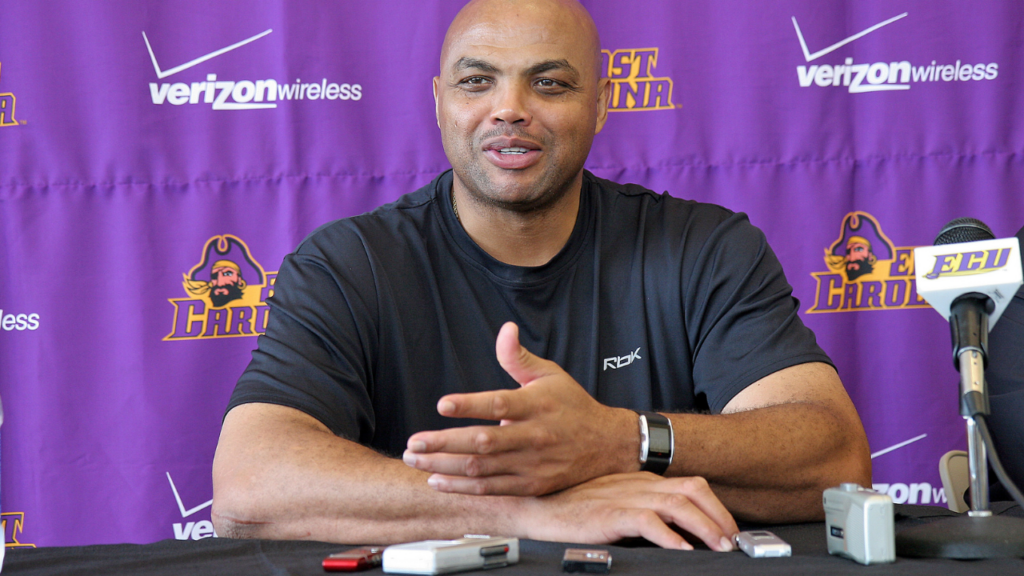
Charles Barkley’s latest comments rip the lid off a long-simmering issue in the NBA: how race, image, and business collide in ways few insiders are willing to say out loud. His blunt warning is as much about who watches the league as it is about who plays in it.
Barkley’s Blunt Warning
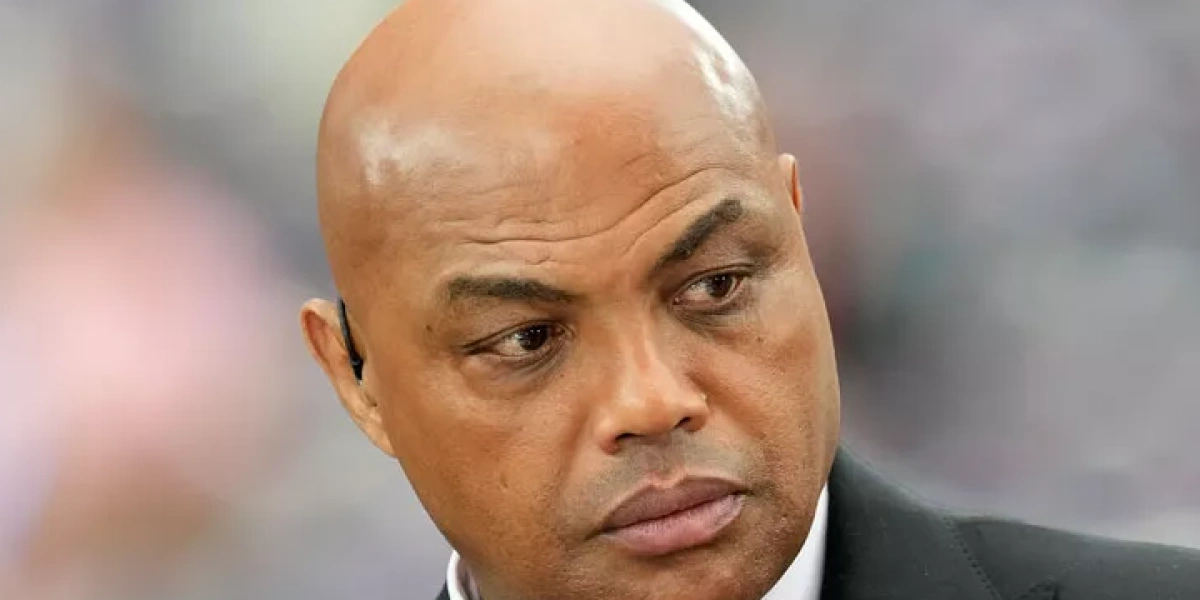
Speaking about why image still matters in today’s NBA, Barkley drew a straight line between player behavior, public perception, and the league’s overwhelmingly white paying audience. He argued that if casual fans keep associating NBA players with trouble off the court, it will eventually show up in ratings, ticket sales, and sponsorships.
Barkley pointed to a pattern he sees: arrests, suspensions, and viral lowlights becoming the dominant narrative for a vocal segment of viewers. In his view, that cycle doesn’t just hurt individual reputations; it threatens the NBA’s ability to sell itself as a mainstream entertainment product.
The Unspoken Racial Undertone

What makes Barkley’s take explosive is that he explicitly framed this as a race issue, not just a PR one. The league’s player base is majority Black, while its most reliable season-ticket and suite buyers remain largely white, and he believes that gap shapes what the NBA can and can’t get away with.
Barkley’s point is not that white fans are uniquely racist, but that their comfort level with the product still dictates how far the league can push its image and culture. That reality creates an unspoken pressure on Black players to present themselves in a way that reassures corporate partners and older, more conservative viewers.
Image, Culture, And Control
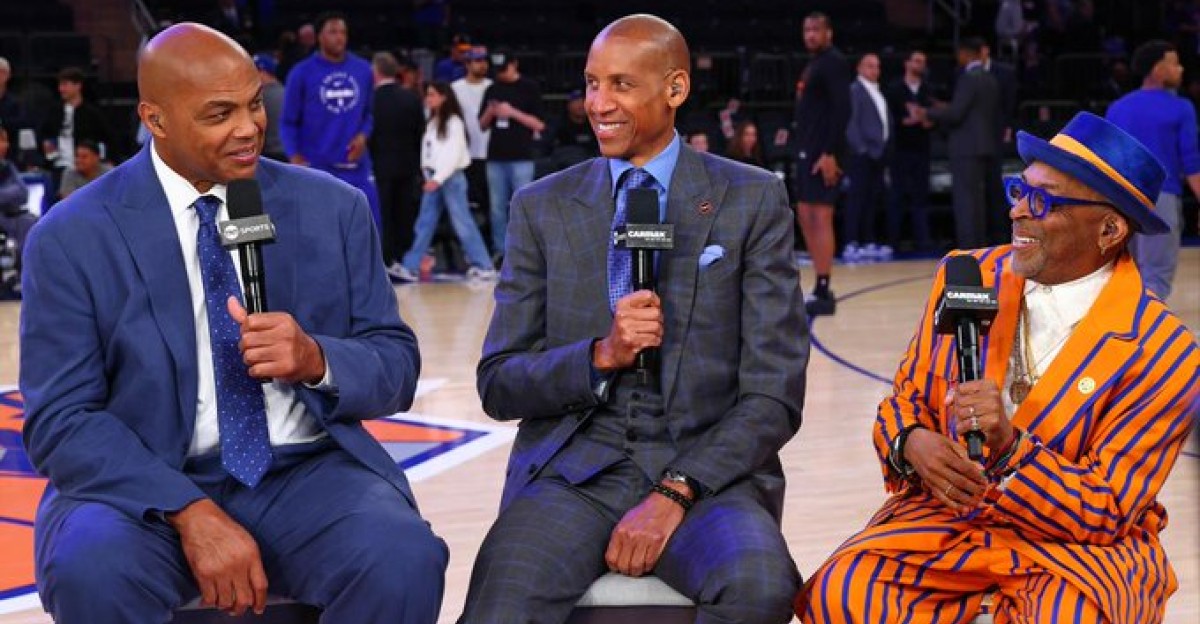
Tattoos, hairstyles, and fashion have long been coded as proxies for deeper anxieties about Black culture in basketball, from the dress code era to today’s social-media-driven branding. Barkley, who has previously criticized how race is constantly pushed onto athletes, is now essentially saying that optics still dictate opportunity.
He’s arguing that when headlines are dominated by arrests, fights, or “knucklehead” behavior, they confirm preexisting stereotypes for a segment of fans already skeptical of a predominantly Black league. Once those fans check out, the business side, like rights fees, sponsorships, and luxury seating, eventually feels the hit.
Players, Protests, And The Business Line
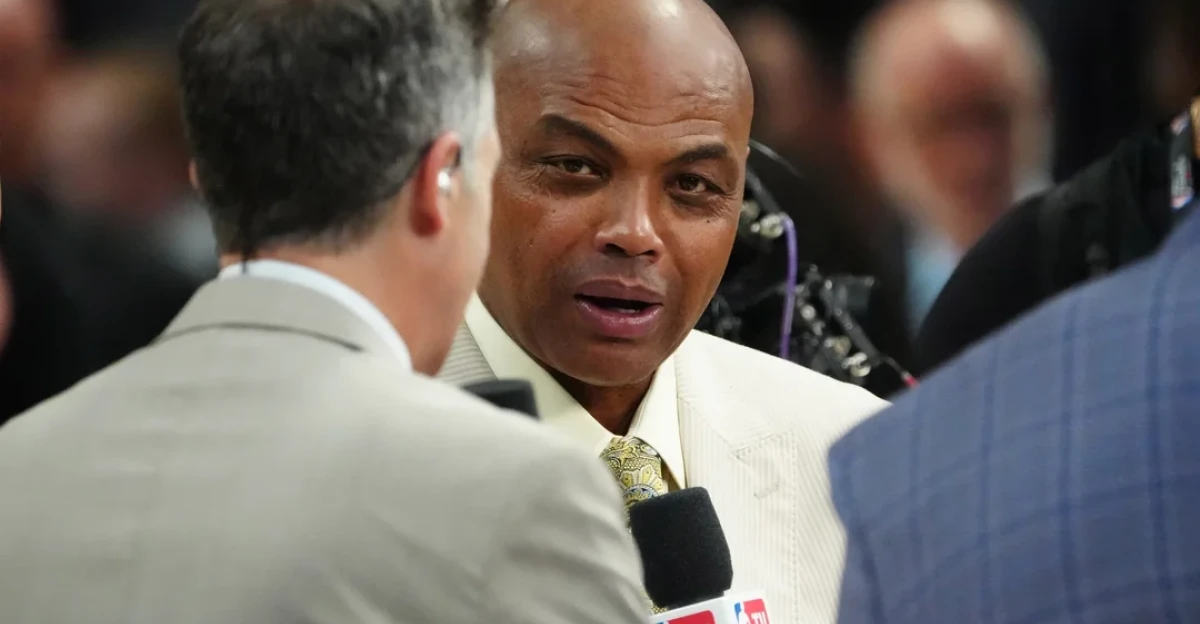
Barkley has a history of separating structural issues like police reform and racism from what he sees as performative or counterproductive gestures in sports. In this latest stance, he’s effectively telling players: you may have every right to express yourself, but the paying audience will still judge you by how safe and respectable you look.
That message lands in a league that heavily markets individual personality while quietly policing how far that individuality can go before alienating sponsors. Barkley is forcing the uncomfortable admission that the NBA wants to be culturally edgy but economically traditional, and Black players sit in the middle of that contradiction.
Do you want the article to stay neutral in tone, or should it clearly take a side, either defending or challenging Barkley’s comments?
Sources:
“Charles Barkley on why image is important in the NBA: ‘White folks are not going to see a bunch of guys who get in trouble all the time.’” Yahoo Sports, 18 Oct 2025.
“Charles Barkley Says NBA Fans Don’t Want To See ‘A Bunch Of Rich People Talking About Stuff All The Time.’” BET, 13 Jul 2020.
“Charles Barkley on racism, double standard: ‘They always come to us.’” BasketNews / CBS 60 Minutes recap, 26 Mar 2023.