
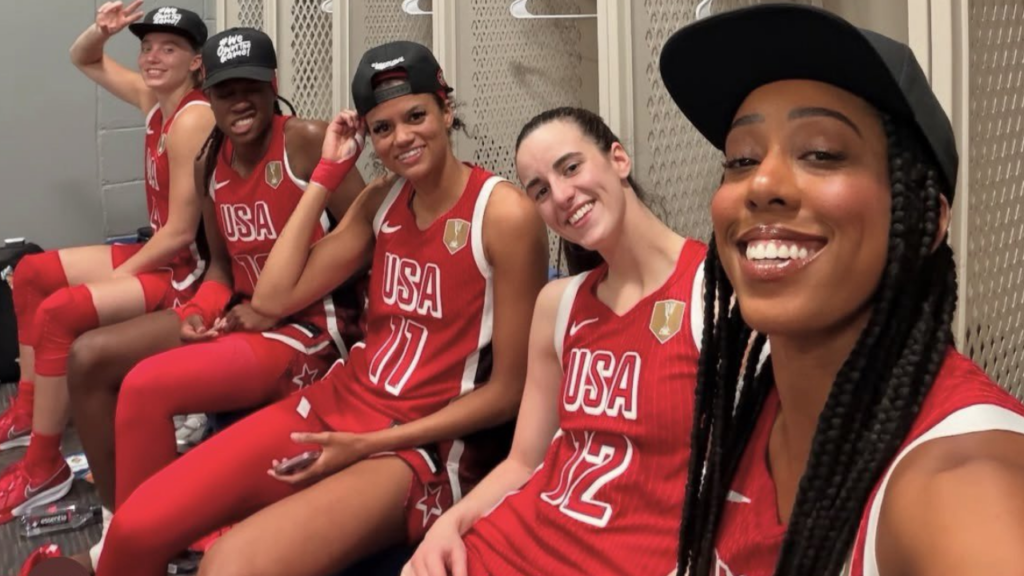
The WNBA is living through its biggest moment ever, and it has no idea how to handle it. Record television ratings, sold-out arenas, expansion franchises popping up, and a new media rights deal that dwarfs anything the league has seen before. Caitlin Clark walked through the door in 2024 and dragged mainstream attention with her, turning Indiana Fever games into appointment television practically overnight. Rookies like Clark and Angel Reese gave the league something it had chased for nearly three decades: a casual fanbase that actually showed up. The numbers were staggering. The energy was real. And the league promptly started tripping over its own feet.
Growing Pains Or Self-Inflicted Wounds?

Here’s where it gets ugly. While the spotlight got brighter, the infrastructure behind it was slow to follow. The charter flight situation exposed just how far behind the scenes the WNBA really was — at the start of the 2024 season, players were flying commercial, dragging luggage through terminals, dealing with travel conditions that would make a Division II softball team wince. The league scrambled to respond, announcing league-wide charter flights for all 12 teams in May 2024 through a Delta Air Lines partnership, but the damage to the league’s image had already been done. Security concerns around Clark forced emergency protocol changes mid-season. Officiating inconsistencies sparked national debates that overshadowed actual basketball. The league wanted the world to watch, and the world watched players getting body-checked without calls and stars needing personal security details just to walk through airports. That’s the kind of chaos you cannot market your way out of. Every viral negative moment ate into the goodwill the product was building on the court, and the league’s response was reactive at best, invisible at worst.
The Money Fight That Almost Blew It All Up
Underneath all the on-court drama sat the real threat: a labor war the league could not afford. Players watched revenue explode and asked a simple question — where’s our cut? The collective bargaining situation became a pressure cooker, with athletes pointing at record-breaking media deals and sponsorship hauls while their own salaries lagged embarrassingly behind. Economists openly questioned whether WNBA players were being fairly compensated relative to the revenue they generated. The league built its golden era on the backs of players who could see the financial scoreboard just fine, and the gap between what the league earned and what it paid grew harder to justify with every new TV contract signed. The collision course the WNBA had set for itself by letting player conditions stagnate while cashing bigger checks finally came to a head on March 20, 2026, when the league and players union agreed to a historic seven-year CBA — raising the salary cap from $1.5 million to $7 million, bumping average salaries from roughly $120,000 to $600,000, and establishing the first revenue-sharing framework in women’s professional sports history. Which, honestly, is still the oldest story in professional sports — and the league that was supposed to be different nearly ran the exact same playbook before players finally forced the issue.
A Window That Won’t Stay Open Forever
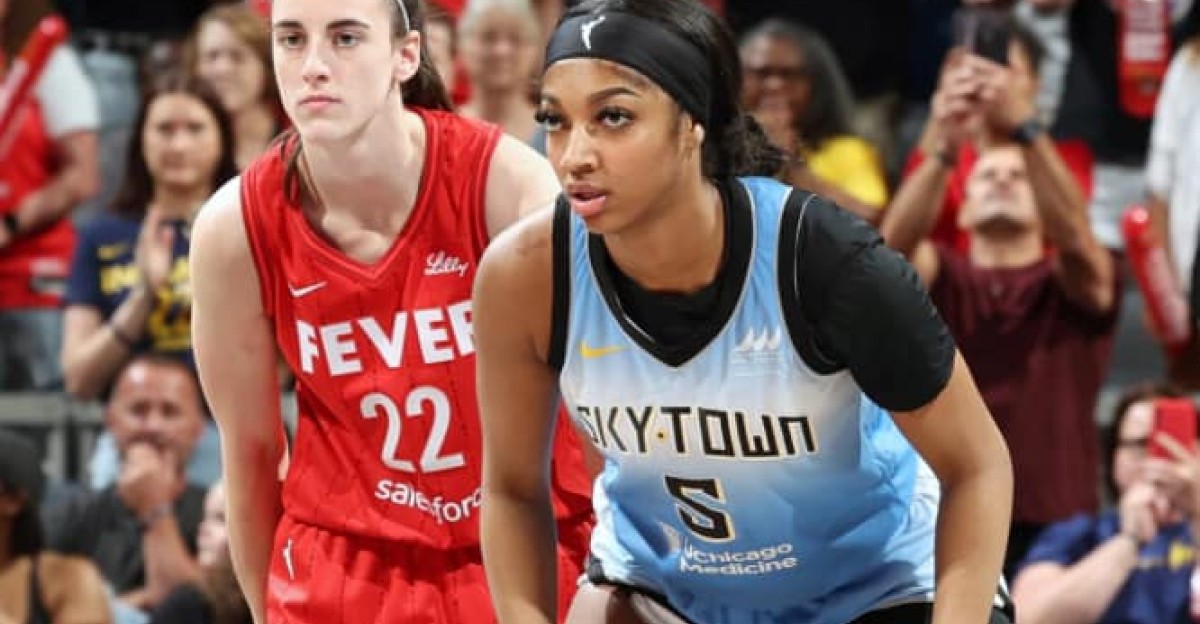
Golden eras in sports have expiration dates. The NBA learned that after Magic and Bird. The UFC learned it after Ronda Rousey. The WNBA’s window is wide open right now, but attention is a loan, not a gift. Fans who showed up for Clark and Reese won’t stick around if labor disputes resurface, second-rate travel returns, and a league looks like it’s making things up as it goes. The product on the court has never been better, the athletes have never been more marketable, and the money has never been bigger. Everything the WNBA spent 28 years building toward is finally here. The only thing that can kill this moment is the league itself, and right now, it’s doing a remarkable job of trying.
Sources:
“WNBA Attendance Up 17% for 2024 Season amid Caitlin Clark, Angel Reese’s Rookie Year.” Bleacher Report, 11 Jun 2024.
“Final WNBA 2024 Attendance amid Caitlin Clark, Angel Reese Hype Is Jaw-Dropping.” FanSided/High Post Hoops, 27 Sep 2024.
“WNBA Taps Delta Airlines for Charter Flights This Season.” Yahoo Sports, 9 May 2024.
“A Landmark 7-Year WNBA Labor Deal Moves Forward with a Signed Term Sheet.” CNN, 20 Mar 2026.