

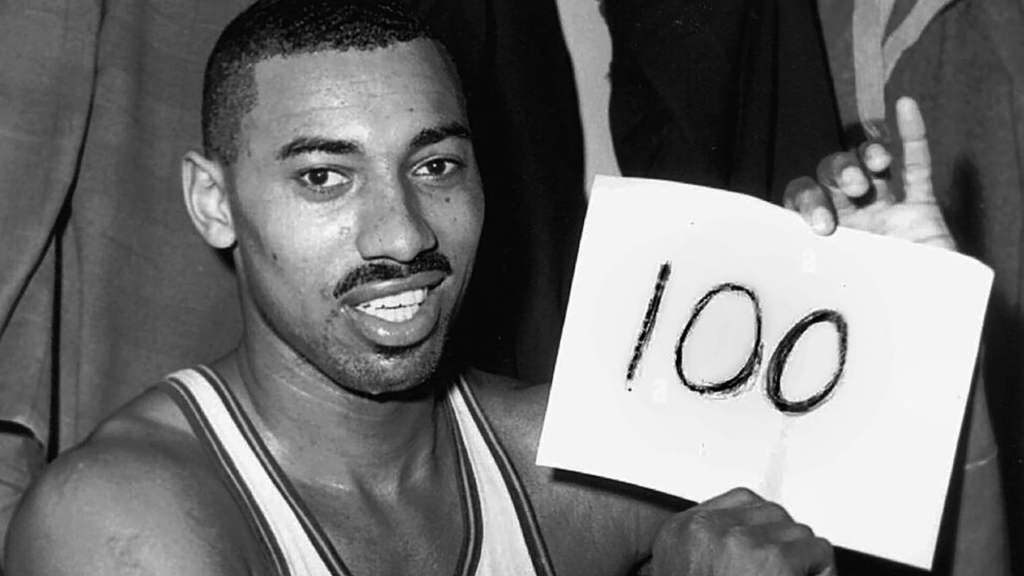
Wilt Chamberlain, towering at 7’1″ and celebrated for unmatched strength, died quietly at his Bel-Air home on October 12, 1999, at age 63. He had long experienced heart rhythm issues that worsened in the weeks before his death. Friends and family reported rapid weight loss, swelling in his legs, and labored breathing during his final month. Chamberlain had maintained an active lifestyle, running, lifting, and playing volleyball, but his declining health remained largely hidden. His passing revealed how severe heart failure can progress silently in even the most physically powerful bodies.
The Heart Trouble He Brushed Off

Long before that October morning, warning signs had already appeared. During his career and into the early 1990s, Chamberlain experienced heart rhythm issues that he consistently downplayed in public. In one incident, he spent 3 days hospitalized with an irregular heartbeat and left wearing a heart monitor. Despite this, he maintained an intense fitness routine, playing volleyball and lifting weights regularly. Those close to him only grasped the severity when he abruptly left a public ceremony, struggling to breathe. What seemed like isolated episodes was part of a much deeper, growing medical problem.
“He Had Congestive Heart Failure”
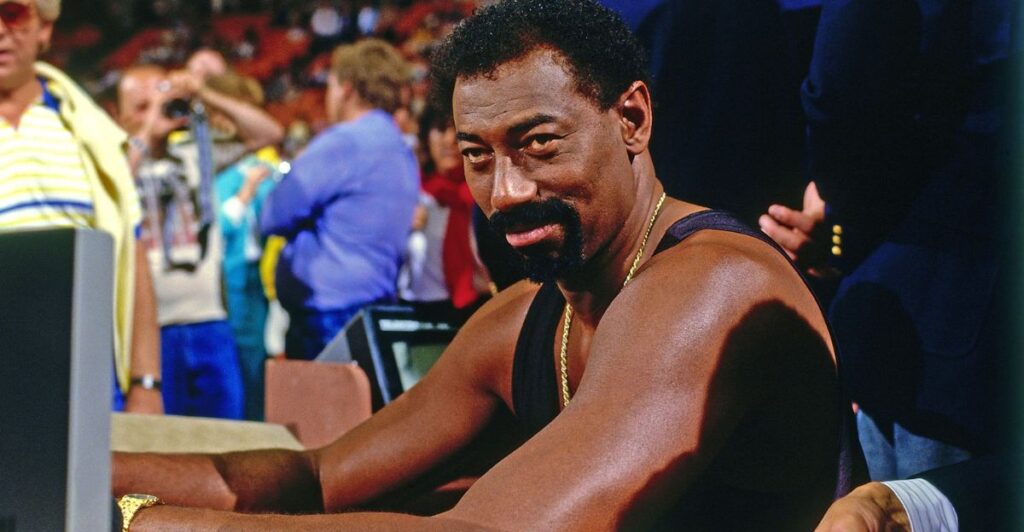
The day after his death, the reality became unmistakable. His longtime lawyer and friend Sy Goldberg told CBS News, “He had congestive heart failure,” confirming what many had not fully understood. Goldberg added that Chamberlain’s condition had worsened “relatively quickly” over the previous month. During that time, he lost between 30–40 pounds as doctors worked to remove excess fluid from his body. Despite still appearing physically imposing, his internal condition had deteriorated fast. That stark contrast between outward strength and internal decline made the news even more jarring as details continued to emerge.
The Quiet Decline Before The End
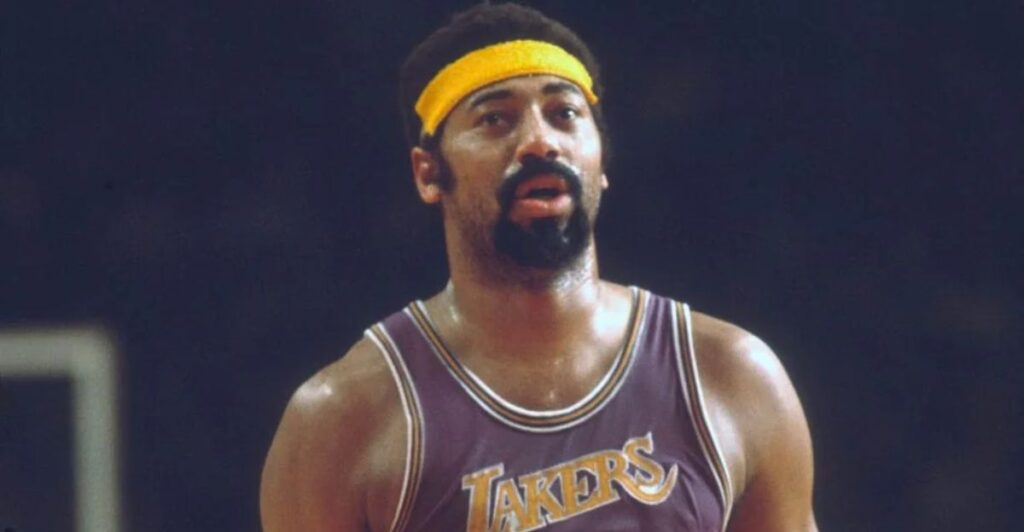
Congestive heart failure often progresses without dramatic warning, and Chamberlain’s final weeks reflected that pattern. His legs reportedly swelled with fluid, and his breathing became increasingly difficult. He began withdrawing from public appearances, spending more time at home as his condition worsened. Medical experts later suggested that blocked vessels may have triggered a fatal heart rhythm disturbance. Family members also recalled a noticeable decline following a recent dental procedure. These signs, subtle at first, pointed to a serious condition that had likely been developing over years rather than weeks.
A Powerful Legacy With A Stark Lesson
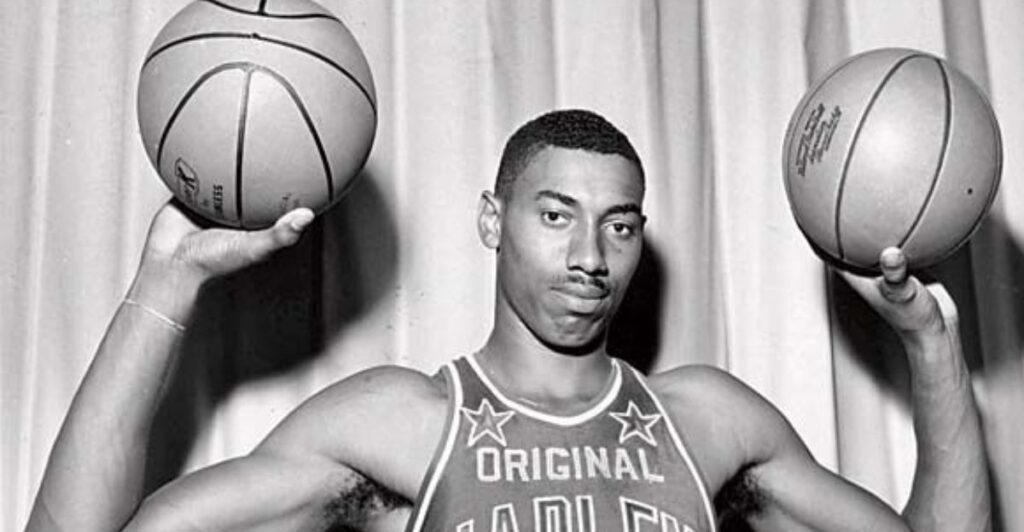
Chamberlain’s death left behind more than records and accolades; it highlighted how even elite athletes can overlook serious health risks. Despite decades of peak physical conditioning, he died of heart failure at home in Los Angeles, a reminder that strength does not guarantee protection. Some medical analyses later suggested possible cardiomyopathy, though no full confirmation was possible after cremation. What remains clear is that symptoms like irregular heartbeat, swelling, and sudden weight loss demand attention. His story continues to resonate as a powerful warning that silent conditions rarely stay hidden forever.
Sources:
ESPN.com – NBA – For years, Wilt had endured heart problems. ESPN, October 12 1999
Agent: Wilt Had Heart Problems. CBS News, October 13 1999
From the Archives: Basketball’s Wilt Chamberlain Dies at 63. Los Angeles Times, October 12 1999
Wilt Chamberlain – Stats, Death & Career. Biography.com, May 06 2021