
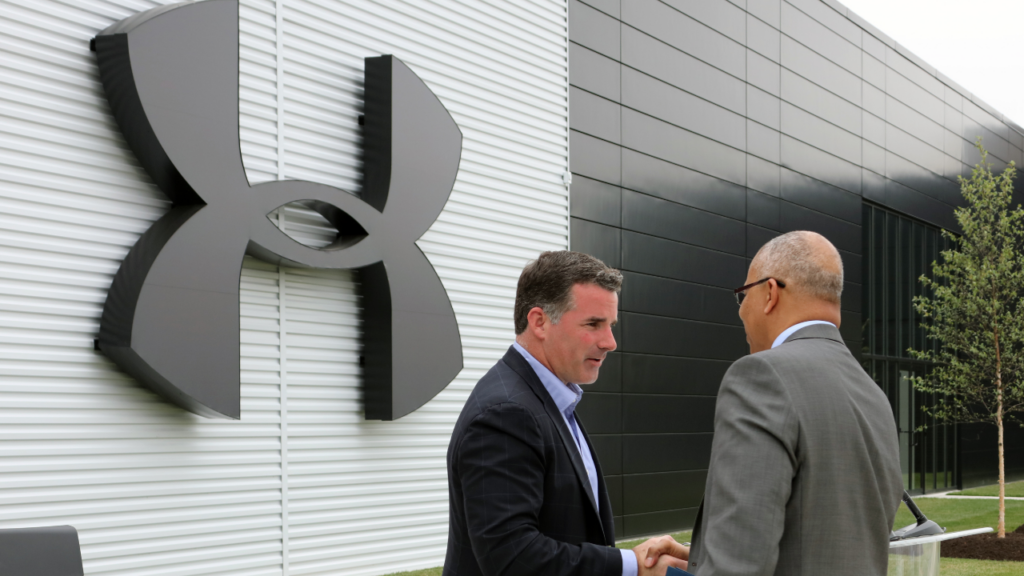
In the mid-1990s, Kevin Plank played backup special teams at the University of Maryland, sweating through every cotton T-shirt he owned. He wanted a shirt that wouldn’t cling to him like a wet rag by halftime. Frustration led him to experiment with synthetic fabrics after graduation, searching for something that would keep him dry. At the time, Nike dominated sportswear and left little room for newcomers. Plank aimed to make a base layer Nike had overlooked.
The Idea Nike Didn’t Need
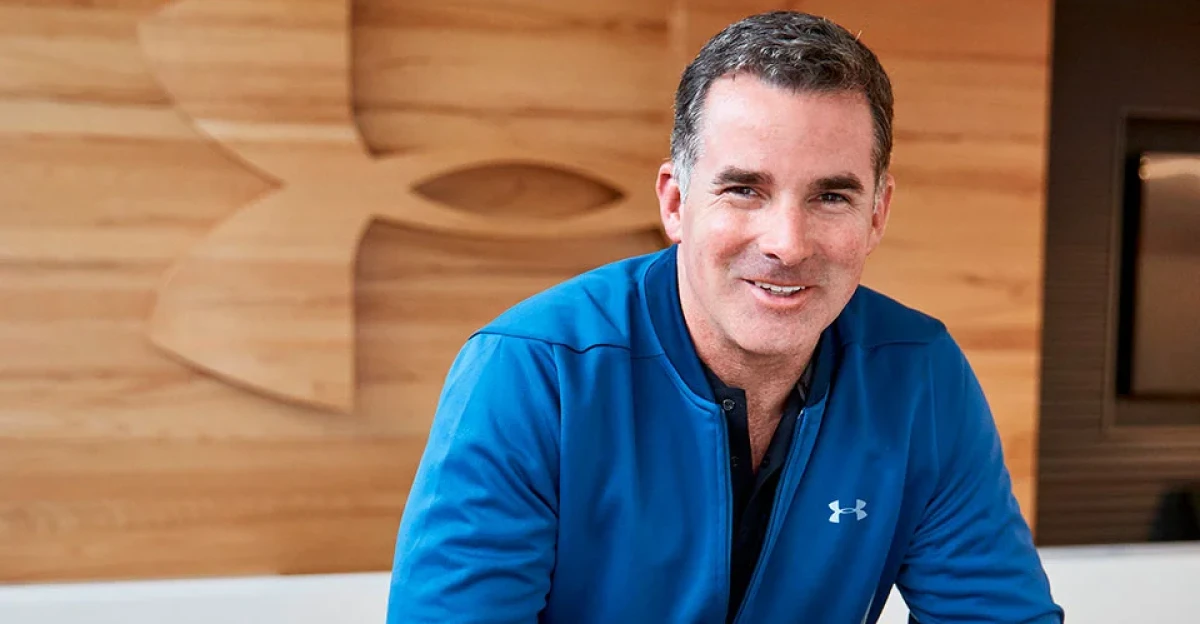
Plank’s idea was simple: a tight-fitting, moisture-wicking undershirt that stayed light and dry under pads and jerseys. To big brands, it sounded trivial, just an invisible layer instead of a billboard for a logo or a superstar. Nike focused on shoes and outerwear, confident its gear served athletes well enough. The basic T-shirt under the uniform remained unchanged. That thinking left a gap in the market. Plank moved to fill it.
Building From a Basement, Not a Boardroom
With his credit cards maxed out and a Small Business Administration loan, Plank started his business in the basement of his grandmother’s Georgetown townhouse. His office was a pile of boxes. His sales team was the trunk of his car as he drove up and down the East Coast. He handed shirts to former teammates, asked them to try them, and encouraged them to get samples into NFL locker rooms. The pitch was simple: less sweat, less weight, better performance. By the end of 1996, those road trips brought in $17,000 in sales and proof that players wanted what Nike never built.
Locker Rooms Before Billboards
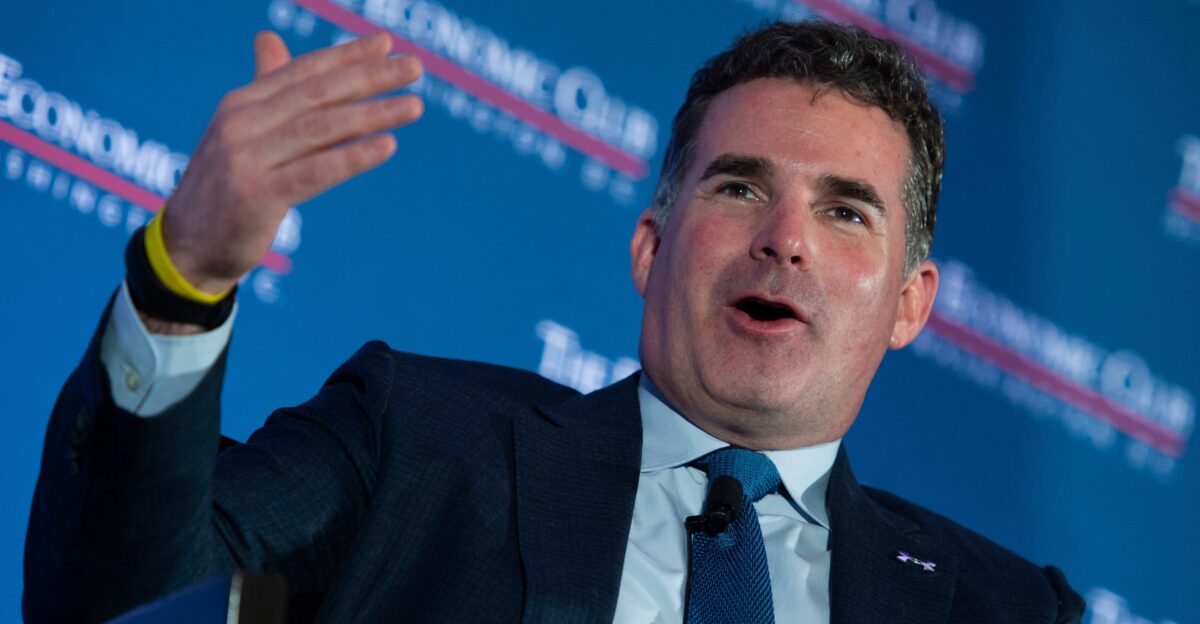
Plank’s first big break came from the teams themselves, not celebrities or flashy commercials. Georgia Tech was the first to place a real order for his sweat-wicking shirts. Soon, other college programs and a dozen NFL teams followed, turning his side project into a real business. By 1997, Under Armour had sold about $100,000 of product to NFL teams alone. Plank focused on equipment rooms, winning over trainers and equipment managers who became early advocates. The underground buzz made Under Armour’s gear feel like a secret weapon.
Hollywood Lights, Baltimore Roots
The turning point came when Warner Bros. asked Under Armour to outfit football movies like “Any Given Sunday” and “The Replacements.” The logo appeared on the big screen before it reached the mall, giving the brand a boost in credibility. As demand grew, Under Armour left the Georgetown basement and moved to South Baltimore. The company expanded beyond base layers, launching HeatGear, ColdGear, and AllSeasonGear. National ad campaigns and the “Protect This House” rallying cry followed, positioning Under Armour as a challenger to Nike.
How Rejection Became an Empire
By the time Under Armour appeared in thousands of stores, the dynamic with Nike had flipped. Plank reportedly sent Nike’s Phil Knight Christmas cards with a warning to “watch out.” A throwaway niche became a multi-billion-dollar performance apparel category, with Under Armour at its center. The company grew on a blind spot Nike ignored. Plank proved that some of the biggest opportunities come from solving problems others overlook.
Sources:
University of Maryland Athletics – “The UA Story (The Maryland Advantage)” – 2014-09-01
SportsBusiness Journal – “20 key moments in Under Armour’s history” – 2016-06-19
Business Insider – “Under Armour Kevin Plank Rivalry With Nike” – 2014-03-18
Los Angeles Times – “The Rock and Iron Man wear its tight shirts. That’s not all …” – 2016-05-23